Pennsylvania’s new Artificial Intelligence Deceptive Advertising Act takes effect Dec. 21, bringing disclosure rules for certain AI-generated advertising to businesses across the state, including those in Wayne and Ardmore.
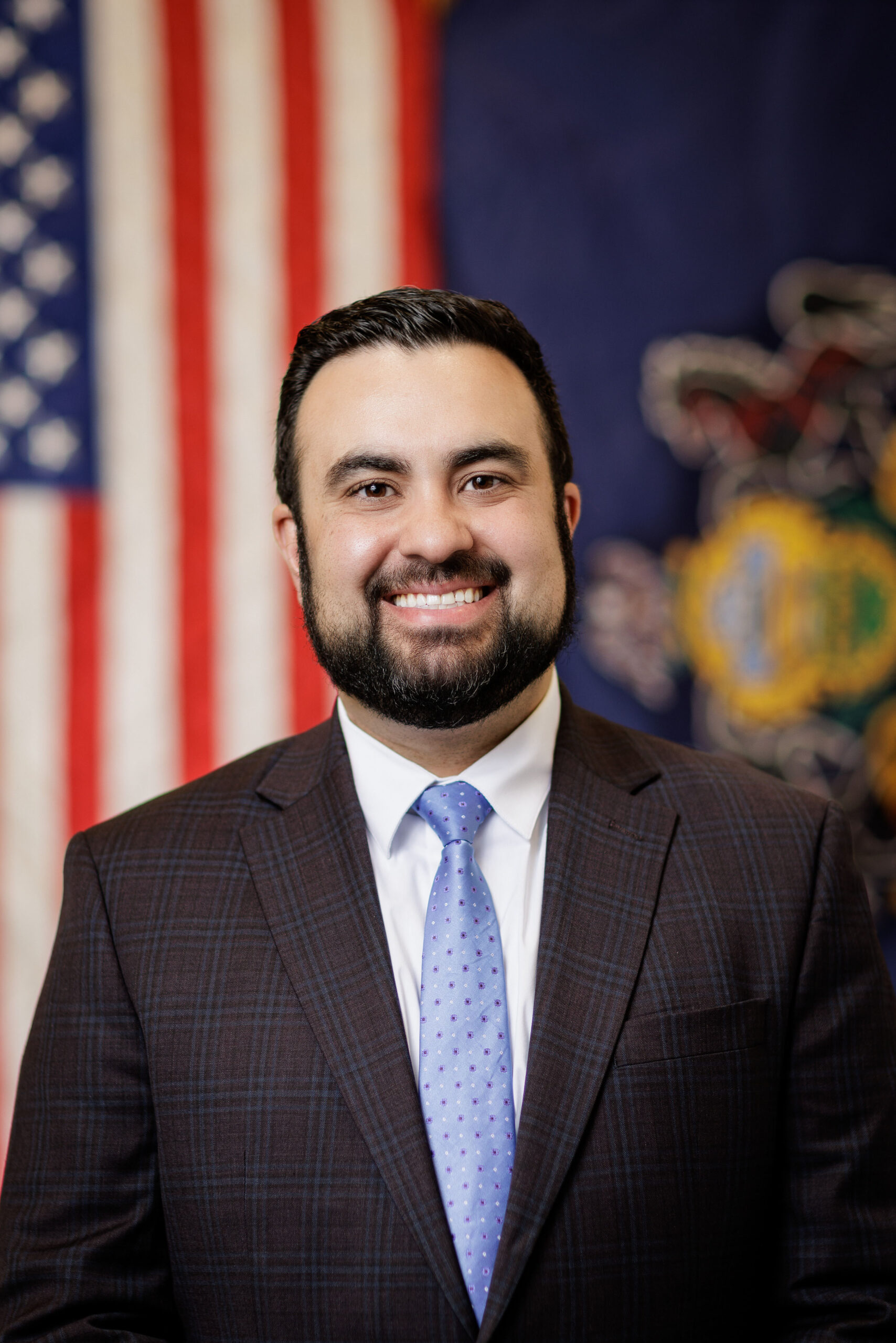
Gov. Josh Shapiro signed Senate Bill 806 as Act 99 of 2026 on Oct. 22, according to the General Assembly’s legislative record. The measure, sponsored by Sen. Nick Pisciottano, takes effect 60 days after enactment.
The legislation addresses advertisements using synthetic content that creates a false consumer perception about the nature, origin or authenticity of goods or services. It calls for a clear, conspicuous disclosure that the ad contains content modified or generated by artificial intelligence.
Synthetic content includes images, video, audio and text significantly modified or generated by AI. But the law contains exceptions for text-only content, material that is evidently fictional, and content constituting parody, satire, commentary or criticism. It does not require a label on every ordinary digital edit.
For covered ads, disclosures must appear when the content is first presented and use the same medium as the advertisement. The text sets standards for visibility and audibility, including readable size, contrast, placement, duration and understandable language. A notice cannot be obscured or contradicted elsewhere in the ad. Where technically feasible, the disclosure must be permanent or difficult to remove.
Some boundaries remain unsettled. In WHYY’s explanation of the law, Temple University law professor Eleanor Huyett and advertising attorney Libby O’Neill described uncertainty over what creates a false consumer perception and who qualifies as an advertiser. Pisciottano’s interpretation of responsibility differed from O’Neill’s, so businesses should not assume an AI-tool provider automatically bears the obligation.
The attorney general or a district attorney may seek an injunction or bring a civil enforcement action. A court may impose a civil fine of up to $3,000, plus actual attorney fees and costs. The statute also preserves other legal remedies; adding a disclosure does not resolve every possible deceptive-advertising issue.
For local businesses preparing holiday promotions, Dec. 21 is the effective date to keep in view when reviewing AI-assisted images, audio or video. The disclosure requirement, its exceptions and the law’s unresolved definitions all warrant attention.