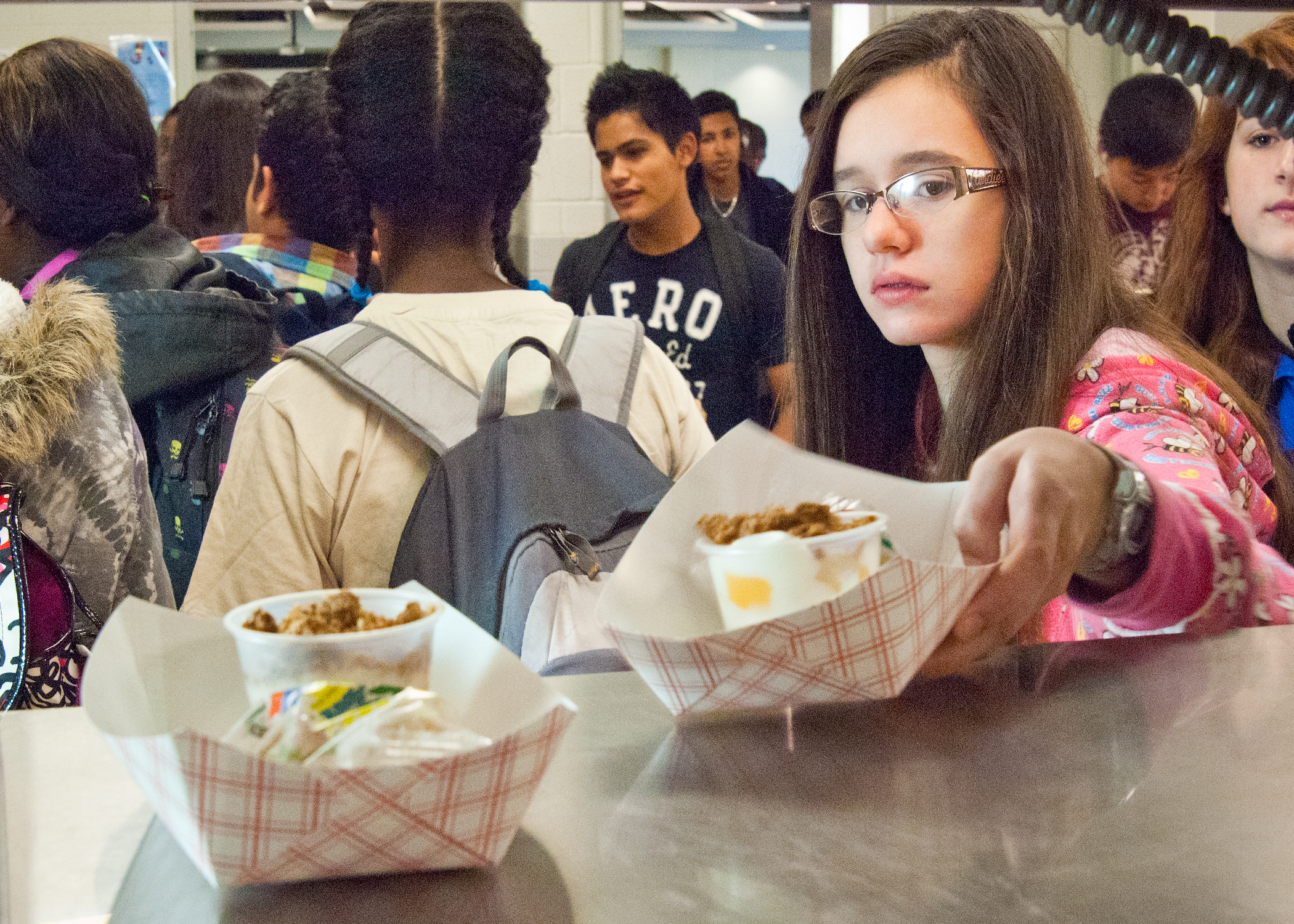
Radnor Township families paying $3.35 for an elementary school lunch or $3.60 at the secondary level may soon have company. A steep decline in Pennsylvania's SNAP enrollment could reduce the federal reimbursements that help fund free school meals across the state.
Between July 2025 and June 2026, Pennsylvania lost 210,268 SNAP participants, an 11% decline, according to the Center on Budget and Policy Priorities. Child participation fell by 59,750, or 9%.
The connection to school cafeterias is direct.
The U.S. Department of Agriculture's Community Eligibility Provision (CEP) reimburses schools for free breakfasts and lunches based on the share of students enrolled in SNAP and similar programs. Schools need at least 25% of students in qualifying programs to participate. When SNAP rolls shrink, reimbursement shrinks with them.
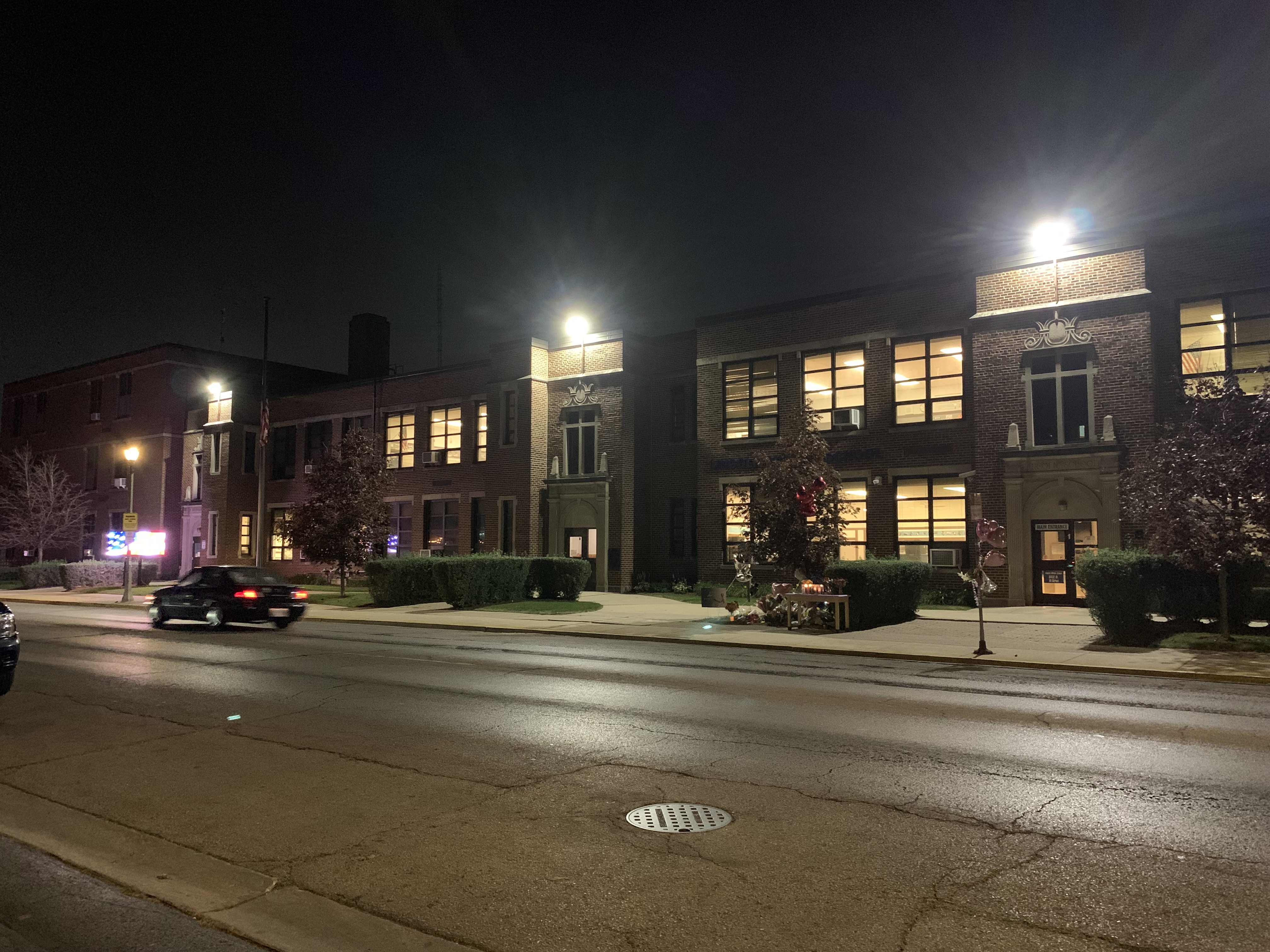
Radnor Township School District, which serves about 3,600 students across five schools, offers free breakfast to all students for the 2026-2027 school year. Reduced-price lunch is also free, according to board records from the May 26 meeting. Whether the district participates in CEP, and at what qualifying percentage, is not clear from available public records.
No comparable meal-price or enrollment data for Haverford Township School District was available.
Nationally, more than 5.6 million people lost SNAP coverage between May 2025 and May 2026, Mainline Media News reported, citing federal data. The One Big Beautiful Bill Act, signed into law in July 2025, tightened eligibility and work requirements for the program.
"We are really only starting to see the beginning," Clarissa Hayes, deputy director of child nutrition programs and policy at the Food Research & Action Center, told Stateline.
Diane Pratt-Heavner, spokesperson for the School Nutrition Association, said schools in the highest-poverty areas will likely keep free meal eligibility for now. Districts with more economically mixed student populations face greater risk as SNAP enrollment declines.
The Center for American Progress estimates a family with two public school children who loses free meal access would pay an additional $1,890 per year for school-offered meals. Pennsylvania is not among the nine states that fund universal free school meals through state programs, leaving local districts more dependent on federal reimbursement.
In Radnor, the district's nutritional services team has worked to fill gaps. In April 2026, GIANT's St. David's store donated $8,261.80 through its Feeding School Kids initiative, according to the district. Supervisor of Nutritional Services Beth Cooke and Food Service Coordinator Tara Andrews accepted the funds, which went toward summer grocery bag pickups for families in need and after-school snacks for the Pathfinders program at Wayne Elementary School.
More cost pressure is coming. Starting Oct. 1, states must cover 75% of SNAP administrative costs, up from 50%. Pennsylvania also faces an estimated $410 million cost shift for SNAP benefits beginning in fiscal year 2028, according to the Center on Budget and Policy Priorities.
The Radnor Township School District Board of School Directors meets Tuesday, Sept. 29.