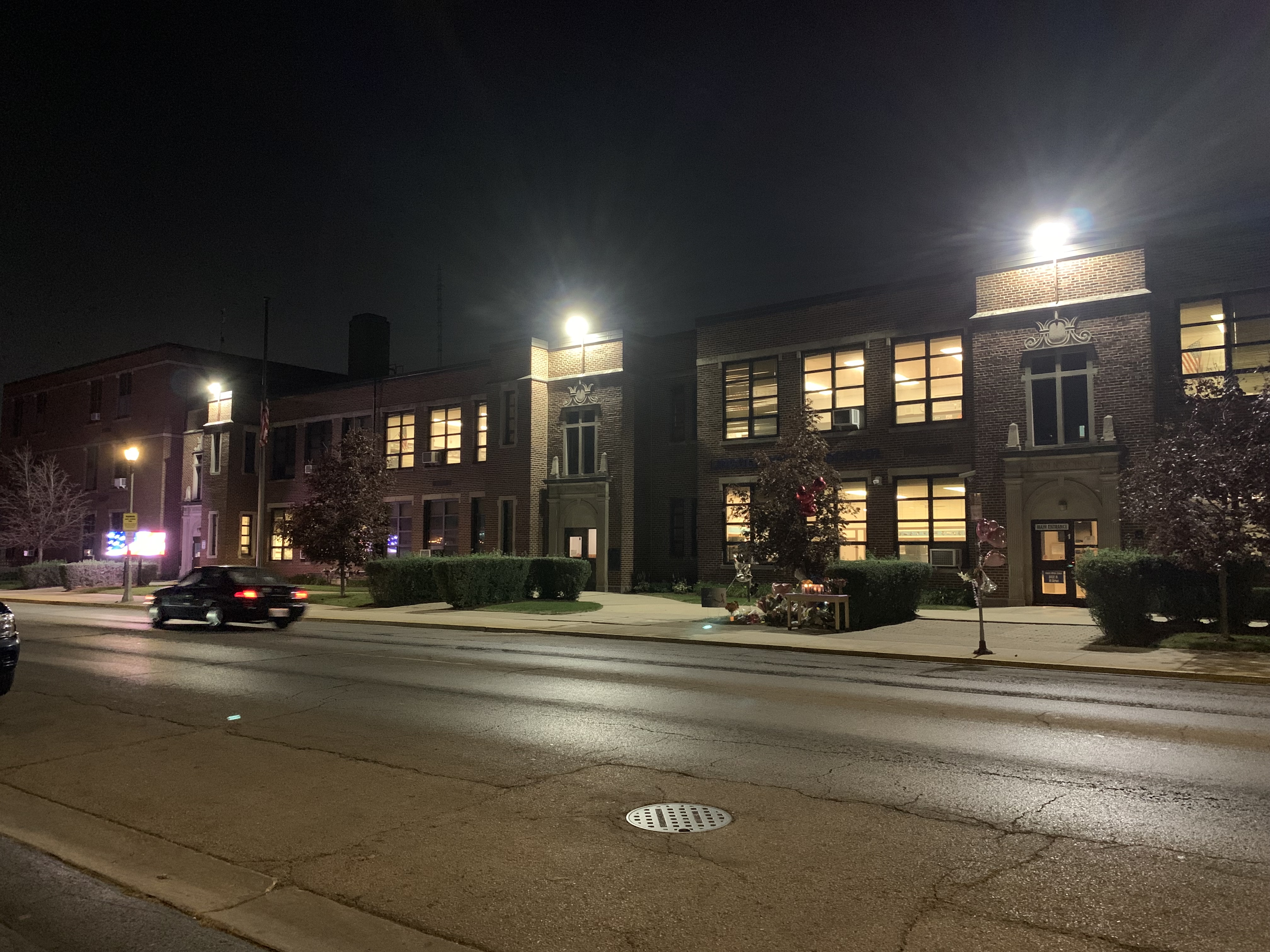
Radnor High School's year-old cellphone ban is producing results Principal Joe MacNamara can measure.
Course failures dropped and face-to-face conversations returned after the school adopted a "bell-to-bell" policy for the 2025-26 academic year, MacNamara told WHYY in a report published Aug. 27. The policy requires students to keep phones off and stowed in a bookbag or locker all day. No pouches. No storage bins. Violators face discipline.
"Kids are just face to face, having conversations, not buried in their phones," MacNamara said. "They're talking to each other."
MacNamara was careful not to credit the phone ban alone for the drop in failures. But the shift came after a failed experiment. During 2024-25, Radnor tried lockable phone pouches. Some students stuffed calculators or fake phones inside. Parents objected to the cost.
After months of focus groups, administrators scrapped the pouches and went simpler: off and away, enforced consistently.
Harrisburg stalls as schools act
Radnor's results land at a moment when Pennsylvania legislators have yet to finish their own cellphone ban. The state Senate passed Senate Bill 1014 by a 46-1 vote in February, GovTech reported. The House passed its own version, House Bill 1814, on a bipartisan vote on June 1. The two chambers never reconciled the bills before the summer recess.
Lawmakers are expected to take up the issue again during the fall session, according to WHYY. If enacted, the mandate would take effect in the 2027-28 academic year.
Gov. Josh Shapiro pushed for the legislation in his February budget address, urging lawmakers to send him a bill banning cellphones in schools.
The Pennsylvania School Boards Association opposed SB 1014, arguing the mandate strips locally elected boards of the ability to make decisions for their communities.
What Radnor's experience shows
Radnor gave students advance notice before the 2025-26 year began. MacNamara said he braced for backlash that never came.
"I heard … that people were gonna come to my door with pitchforks and hang me out to dry … There wasn't a single kid who did that," he said.
Hershey High School, another early adopter profiled in the WHYY report, saw similar gains. Derry Township School District Superintendent Stacy Winslow said the ban produced "a dramatic reduction in spillover conflict" because students could put phones away and cool off.
Research from Children's Hospital of Philadelphia supports the concern driving these policies. A December 2025 study found that 12-year-olds who owned a smartphone had higher rates of depression, obesity and insufficient sleep. A June 2026 follow-up found that getting a smartphone around age 13 was associated with insufficient sleep a year later, while heavier use was linked to depression, obesity and insufficient sleep.
At least 39 states and the District of Columbia now require districts to ban or restrict student cellphone use, according to Education Week.
For Radnor families, the immediate question is whether Harrisburg will codify what the school already practices. The fall legislative session has no announced date for a conference vote.