A bill that would cap how much Villanova pays its athletes could reach a final U.S. Senate vote the week of Sept. 21. The Protect College Sports Act would also restrict transfers and replace Pennsylvania's name, image and likeness (NIL) law with a federal standard.
Senators voted twice during the week of Sept. 15 to advance the measure, with more than 70 backing it, the Associated Press reported. The first procedural vote passed 74-24. The bill still must pass the House before reaching President Trump, who has backed it.
The legislation would let schools share revenue directly with athletes but impose caps on that spending. It would create a $22.5 million retention pool for schools to keep current players, codify a five-year eligibility limit and give the NCAA limited antitrust protections. Athletes would gain longer-term health care and scholarship protections.
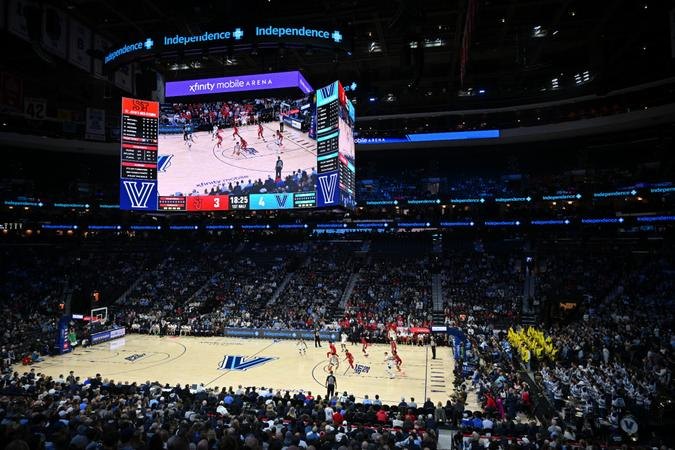
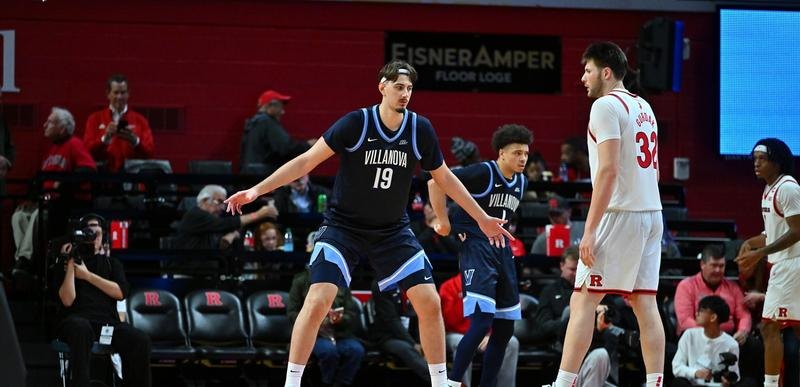
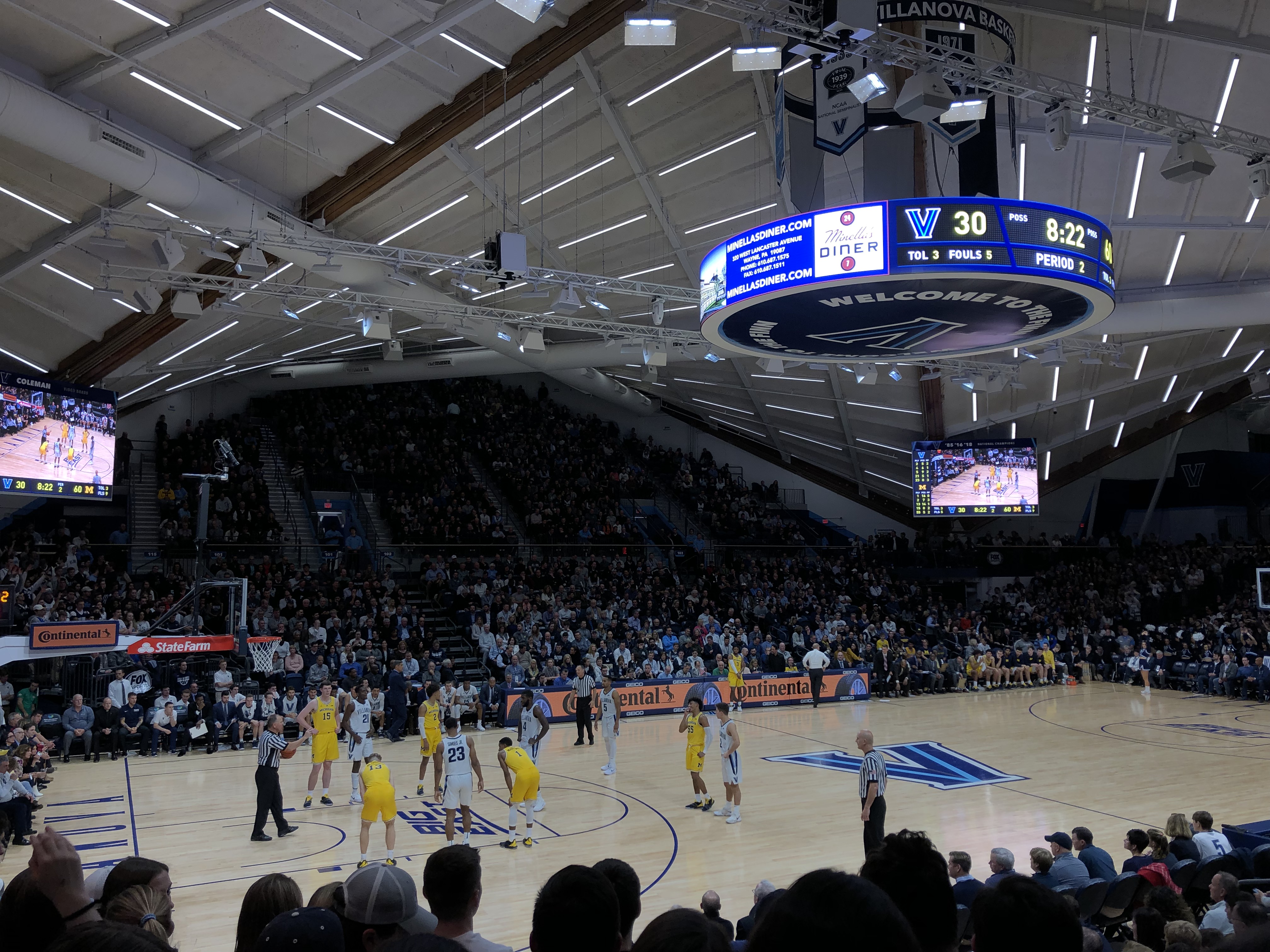
For Villanova, the stakes are concrete. The university spent between $8 million and $10 million on its men's basketball roster in combined NIL and revenue-sharing dollars during the 2025-26 season, according to a source cited by Front Office Sports in March.
Vice President and Director of Athletics Eric Roedl told the outlet at the time, "I'm not sure there's any cap right now. The cap is really what resources schools can develop to spend."
A federal cap would change that calculus. Villanova updated its NIL and revenue-sharing resources for the 2026-27 academic year in September and launched the Villanova Athletics Strategic Excellence Fund, a tax-deductible fundraising initiative to support its revenue-sharing commitment, according to the university's athletics NIL page.
Pennsylvania's existing NIL law is more restrictive than many other states', prohibiting schools from arranging third-party compensation as a recruiting inducement. The Protect College Sports Act would generally preempt state NIL, transfer and eligibility laws, replacing them with a uniform federal framework, according to a Sportico legal analysis.
Pennsylvania was among 17 states whose NIL laws were challenged in a June 2026 antitrust lawsuit over the NCAA's revenue-sharing restrictions, USA Today reported.
Haverford College, an NCAA Division III school in the Centennial Conference, would face less direct impact. Division III athletes do not receive athletic scholarships and operate under a separate governance structure.
The bill has drawn sharp opposition. All four Black Democrats in the Senate voted against it. Sen. Cory Booker of New Jersey said on X on Sept. 16 that the bill "sells out athletes and bails out the NCAA." Labor and civil rights groups also oppose the measure.
Senate Majority Leader John Thune said Sept. 18 that no one else would step in to fix the problems facing college sports.
Senators were still tweaking the bill Saturday, Sept. 19, adjusting a provision on conference-switching wait times and adding language clarifying the bill does not override laws addressing transgender athletes. A companion bill exists in the House, but both chambers must pass identical text before it can reach the president's desk.