Residents of Radnor and Haverford townships live surrounded by the kind of wooded, suburban landscape where Lyme disease thrives. Delaware County recorded 76 confirmed Lyme cases through May 6, an incidence rate of 12.99 per 100,000 people, according to the Reading Eagle.
Now a 35-year study says the biggest driver of that risk is not the deer browsing neighborhood gardens. It's white-footed mice and the acorn crops that feed them.
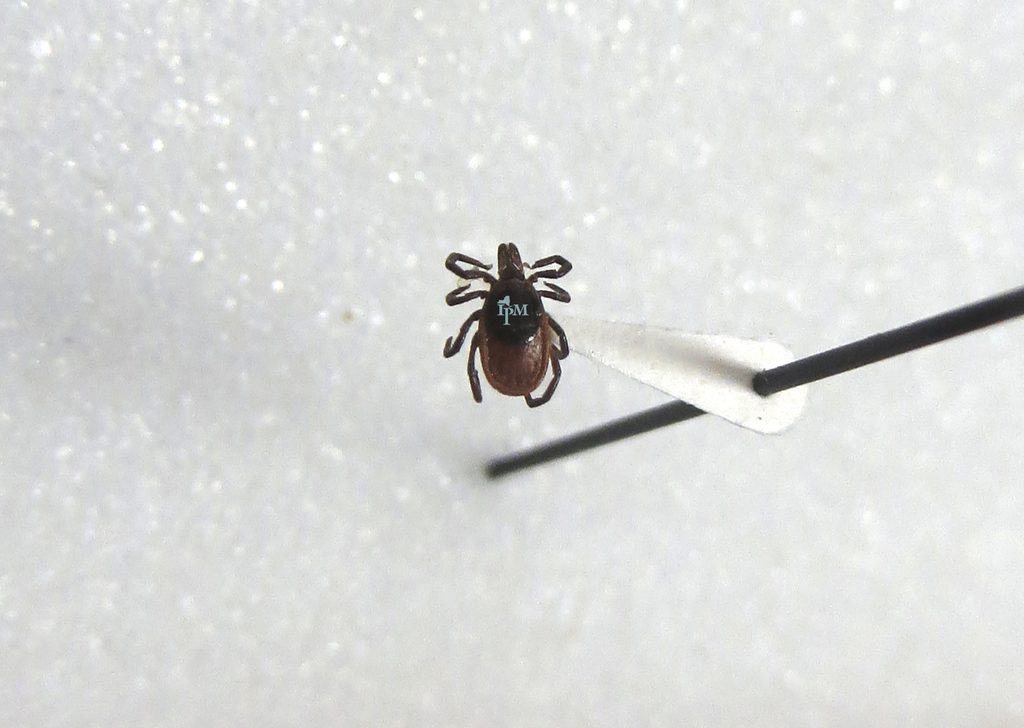
The study, published Aug. 17 in the Proceedings of the National Academy of Sciences by researchers at the Cary Institute of Ecosystem Studies in New York, found no statistical link between white-tailed deer numbers and the density of nymphal ticks. Nymphs are the immature ticks responsible for most Lyme infections in people. WHYY reported on the findings and their local implications on Monday, Sept. 7.
Pennsylvania recorded 16,671 Lyme cases in 2023, 16,624 in 2024 and 18,747 in 2025. LymeDisease.org has called the state "ground zero" for the illness, noting Pennsylvania led the nation in reported cases for 10 of the last 13 years and accounted for roughly 22% of all U.S. cases over the past decade.
Dustin Brisson, a University of Pennsylvania biology professor who studies the Lyme-causing bacterium Borrelia burgdorferi, said the deer question comes up constantly.
"Everyone always says, 'Well, what about deer? You know, they're called deer ticks' … At least in the majority of the locations where Lyme disease is a problem, the variation in the amount of deer is not a major problem," Brisson told WHYY.
Brisson did not work on the Cary Institute study but commented on its findings. The research, led by disease ecologist Richard Ostfeld, tracked tick populations across six plots spanning 2,000 acres in New York's Dutchess County. While deer numbers fluctuated over the study period, nymphal tick counts rose and fell on their own schedule.
Mice were the key driver. Years with large mouse populations were followed the next year by a 40% jump in nymphal ticks. White-footed mice pass the Lyme bacterium to as many as 93% of the young ticks that feed on them, making them far more efficient transmitters than any other host.
Acorns add a two-year lag to the cycle. A heavy acorn crop sustains mice through winter, boosting mouse populations the following spring. That mouse boom then fuels a spike in nymphal ticks the year after. Yet more mice did not mean a higher proportion of infected ticks. Acorn years also boost populations of skunks, squirrels and opossums, which are poor transmitters of the bacterium. Those animals dilute the infection rate across the host community.
Amy Tiehel, founder of the Delaware County Lyme Disease Support Group, said in a March LymeDisease.org feature that residents do not need to venture into deep woods to face risk. "People don't have to be in the woods to get bitten," Tiehel said. "Many people are bitten right in their own backyards."
The CDC's Tick Bite Data Tracker showed the Northeast recorded the highest regional tick-bite emergency room visit rates in the country during April 2026, USA Today reported. Nationally, about 476,000 Americans are treated for Lyme disease each year.
Brisson told WHYY that daily tick checks remain the single best defense. Ticks must stay attached 24 to 36 hours before transmitting the bacterium, so prompt removal prevents most infections. His own field crews handle hundreds of ticks daily and rarely contract Lyme because they do thorough body checks after every outing.